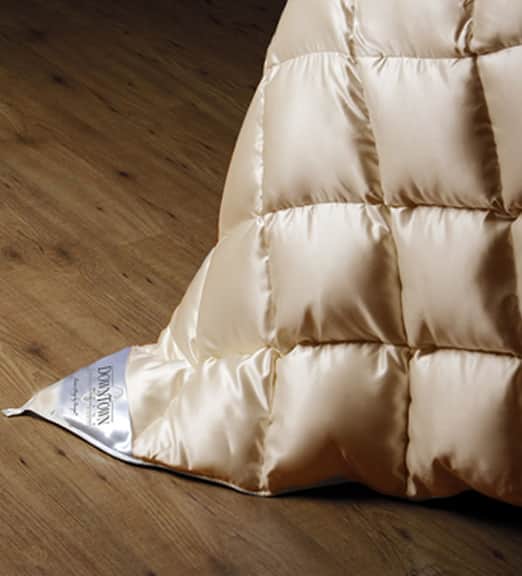
A Practical Guide to Choosing Wool Comforters: Benefits, MAR, and Care

A thoughtful exploration of down-free warmth, focusing on wool fillings, certifications, and practical maintenance to extend loft and longevity.

Introduction: Wool as a Down-Free Comforter Filling

In the evolving landscape of bedding, wool stands out as a natural, breathable, and temperature-responsive filling that minimizes the reliance on animal-derived down. Wool’s intrinsic properties—temperature regulation, moisture-wicking, and dust-mite resistance—make it an enduring choice for sleepers seeking comfort without down. This guide, written in the spirit of National Geographic’s editorial curiosity, journeys through the essentials: what makes wool a compelling filling, how to assess quality through materials and certifications, practical buying tips, and care practices that sustain loft over years of use.

Wool’s appeal is not solely about warmth. It is about a sleeping environment that responds to the body and the room: it can be warm when needed and airy to prevent overheating, while retaining softness and resilience. In a market crowded with synthetics and fresh fibers, wool provides a durable, renewable resource with a long lineage in traditional bedding and modern, eco-conscious design.

Key Material Considerations: Organic Versus Conventional Wool, Certification, and Shell Quality

The choice of wool for a comforter hinges on several factors: the origin of the wool, the presence or absence of certifications, the shell fabric, and the fill weight. Organic wool, often treated under stricter farming standards, can enhance not only the environmental footprint but also the perceived purity of the final product. Certifications such as GOTS (Global Organic Textile Standard) or OEKO-TEX provide assurances about chemical safety and environmental practices. When evaluating a wool-filled comforter, look for:

  • Wool origin and processing: organic or non-organic, washed and cleaned to remove lanolin, and responsibly sourced.
  • Fill weight and loft: heavier fills provide more warmth; consider seasonal needs and room temperature.
  • Shell fabric: a cotton sateen shell, for example, offers a smooth texture and breathability that complements wool’s natural moisture management.
  • Certifications: GOTS, OEKO-TEX, and other third-party verifications that reinforce health and environmental standards.

Definitive Guides: How to Choose a Wool Comforter

A practical buying guide centers on three pillars: the wool itself (organic vs. conventional), the weight and construction, and the shell. Wool comforters are available in a spectrum—from lightweight for mild climates to all-season or winter-weight variants for cold rooms. Consider the following framework:

  • Seasonal weight: lightweight (hot sleepers), all-season (balanced), and winter-weight (cozy in cold bedrooms).
  • Weave and finish: a tightly woven cotton sateen shell prevents wool from leaking and aids in even loft distribution.
  • Loft and baffle construction: more box construction or tufted patterns help keep wool evenly distributed and prevent cold spots.
  • Care requirements: many wool comforters benefit from duvet covers; some are machine-washable with delicate cycles, while others require professional care.

Care and Longevity: Caring for Wool Comforters

Proper care ensures wool loft remains vibrant across seasons. Common practice favors periodic airing, sun exposure to refresh fibers, and spot cleaning for minor stains. When machine washing is permitted, use gentle cycles with wool-safe detergents, and avoid high heat in drying to prevent matting or shrinkage. A duvet cover not only preserves loft but also simplifies maintenance.

Case Studies: Wool Comforters Across Time Periods

To illuminate wool’s enduring appeal, we examine three notable figures spanning different eras, each tied to textiles and sleep environments:

1) The 19th-Century European Weaver-Philosopher

In the quiet aisles of a European textile workshop, a master weaver contemplated warmth as more than a sensory feel. The loom’s rhythm mirrored the cadence of seasons, and wool’s natural resilience offered a practical, nearly poetic solution to the cold winter nights of cramped city dwellings. This figure recognized wool’s moisture management as a natural ally against damp, a property that modern wool comforters preserve in updated textile forms.

2) The American Sleep Science Pioneer of the 20th Century

In the mid-1900s, a sleep scientist explored how room climate and bedding influence circadian rhythms. Wool, with its complex microclimate properties, became a focal point for hypoallergenic and breathable sleep environments. The practitioner’s work foreshadowed today’s emphasis on natural materials and health-conscious bedding, guiding modern manufacturers toward wool blends and certified organic fibers.

3) The Contemporary Materials Anthropologist

In the 21st century, a designer-anthropologist examined how comfort cultures vary across climates and lifestyles. Wool’s adaptability—whether as a lightweight fill or a robust, dense loft—demonstrates how textiles can respond to human behavior, seasonal shifts, and ecological considerations. This modern perspective informs product designers who blend wool with innovative shells and sustainable practices to meet diverse preferences.


Brand Context: Down-Free Comfort as a Narrative for Sleep Wellness

This guide situates wool-filled, down-free comforters within a broader strategy of sleep wellness and sustainable living. The narrative emphasizes calm, practical, evidence-based guidance—an approach that aligns with a calm, educational identity for a site like downfreecomforter.com. The discussion is anchored in verifiable material science, certifications, and care protocols, fostering trust with allergy sufferers, sustainable-living enthusiasts, and general readers curious about the textures and temperatures that shape a good night’s sleep.

Certifications to Seek

  • GOTS: Organic textiles with strict environmental criteria.
  • OEKO-TEX Standard 100: Textile safety for skin contact.
  • RDS: Responsible Down Standard (relevant to blends with down components in some products).

Sustainability and Ethical Considerations

Wool, when sourced responsibly, offers a renewable, biodegradable filling that can align with sustainable design goals. The textile industry’s evolving standards encourage transparency around sourcing, processing, and end-of-life disposal. Incorporating wool with a certified shell and a care plan that emphasizes longevity supports a lower overall environmental footprint. The intersection of sustainability and comfort invites readers to consider not only warmth and softness but also the lifecycle of the product they choose.

Conclusion: A Practical Path to Down-Free Comfort

Wool comforters offer a tangible, down-free path to warmth that respects both personal health and ecological responsibility. By weighing origin, certification, weight, and shell quality, readers can select a wool-filled comforter that delivers comfort through the seasons. With mindful care, wool loft endures, maintaining breathable warmth without compromising on the quiet dignity of a well-made bed. The exploration of wool’s benefits—temperature regulation, moisture management, hypoallergenic properties—underscores a timeless principle: comfortable sleep arises from attentive materials, thoughtful construction, and responsible stewardship.

© 2026 Down Free Comfort. All rights reserved.

Related Products

Mariposa Lightweight- Best for: A Soft, Airy Feel with Gentle Warmth

Ogallala Comfort Company

Mariposa Lightweight- Best for: A Soft, Airy Feel with Gentle Warmth

Experience breathable warmth with hypoallergenic comfort and even loft, thanks to Hypodown 700 fill and milkweed fibers. Lightweight, moisture-wicking, ethically sourced, and quietly luxurious for a steady, cozy night at 69–74°F.
Down Feather Throw Pillow Insert

Coyuchi

Down Feather Throw Pillow Insert

Experience plush comfort and tidy, lasting loft with our 230-thread-count organic cotton shell filled with 90% feathers and 10% down from a third-party-audited Indiana farm—breathable, cruelty-conscious, and keeps decorative covers flawless.
San Moritz Silk Comforter with Goose Down

DownTown Company · No. SAN MORITZ

San Moritz Silk Comforter with Goose Down

Wrap yourself in luxury and warmth: Polish goose down loft, silk cover for smooth, durable structure, and a washable, easy-care comfort that stays plush and breathable all winter long.

Theme