Bedding | Materials Guide
Silk-Filled or Down Comforter? Compare Warmth, Care, and Feel
A comforter is more than a layer between a sleeper and the night air. Its filling determines how it drapes, holds warmth, handles moisture, and fits into the routines of daily care. Silk and down can both create inviting bedding, but they do so in distinctly different ways.
Silk-filled comforters generally offer a flatter, fluid drape and light warmth. Down is prized for airy loft and insulation, with performance shaped by the amount and quality of fill and by the comforter’s construction. Neither material is automatically right for every sleeper. Bedroom temperature, personal warmth preferences, care expectations, and the values behind a material all matter.
The short answer: different kinds of comfort
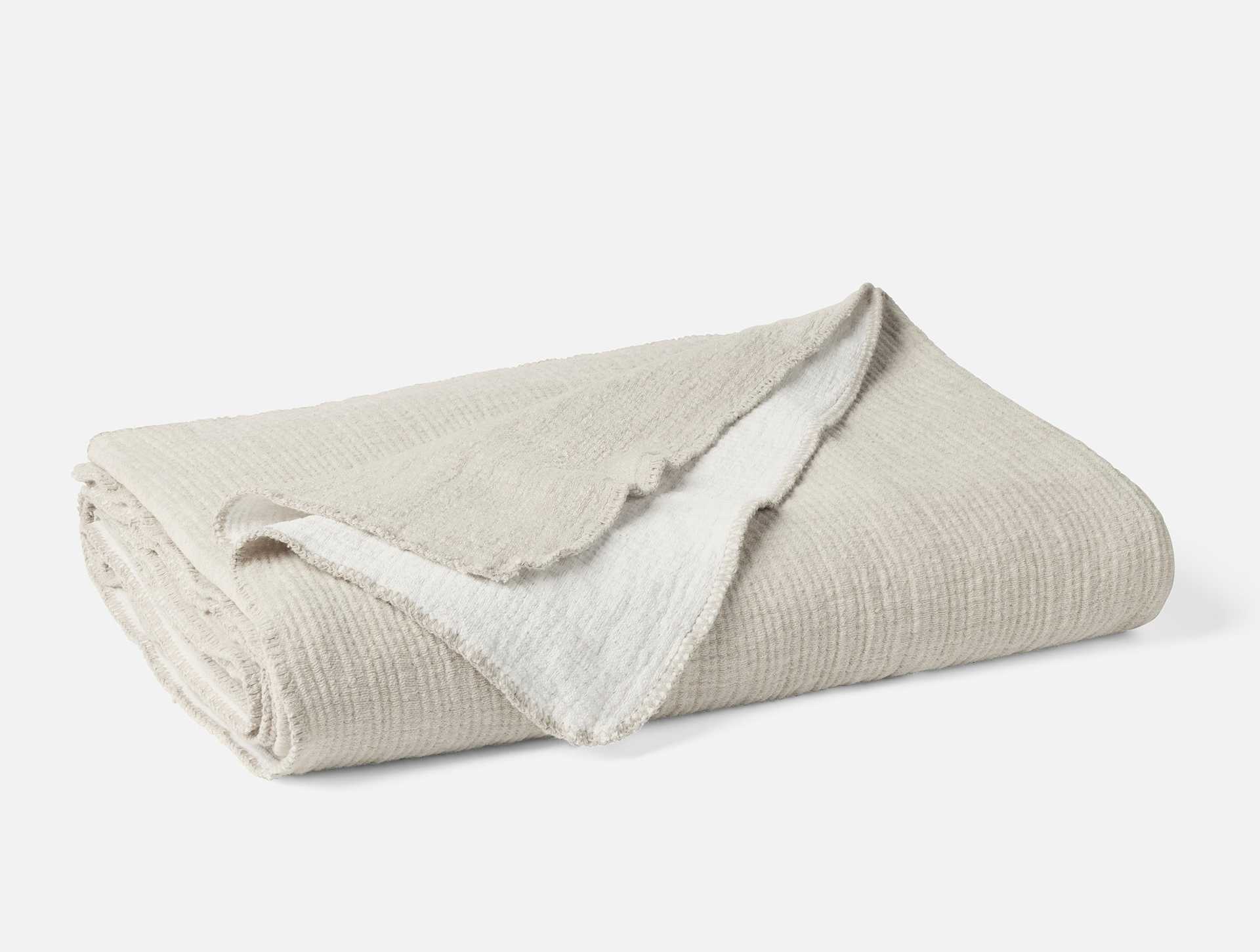
If you like bedding that lies close to the body without a pronounced cushion of loft, a silk-filled comforter may feel more natural. Silk layers tend to be supple and comparatively low-profile, offering gentle warmth and a smooth drape. Many sleepers appreciate that less billowy feel, especially when a bulky comforter seems to trap too much heat or get in the way of movement.
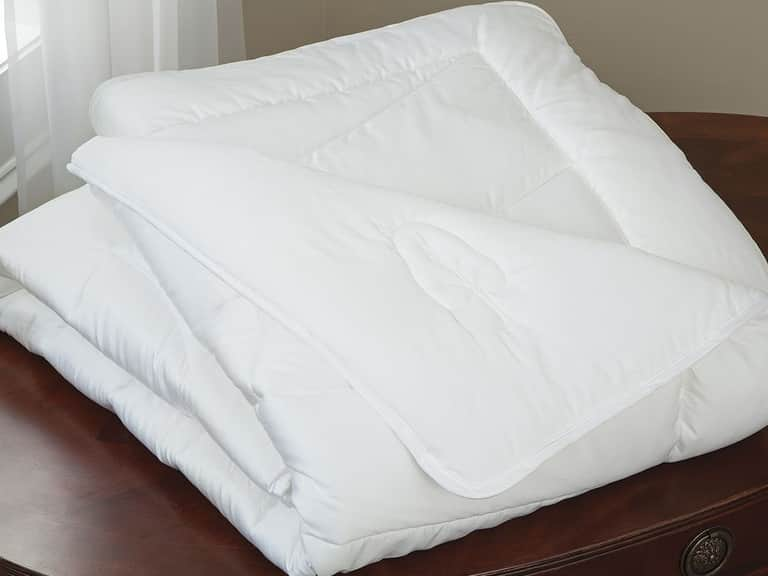
Down takes a different approach. Its clusters trap air, creating loft that insulates while keeping the overall comforter relatively light. A well-made down comforter can feel cloudlike and lofty, though warmth varies widely: a summer-weight model and a winter-weight model are not interchangeable. Fill power, total fill weight, baffle design, and the shell fabric all affect the result.
These descriptions are useful starting points, not guarantees. People experience warmth differently, and the same comforter can feel comfortable in one room and too warm in another. Think of the choice as a match between material and sleeping conditions—not a contest with one universal winner.
What makes silk and down feel different?
Silk: a gentle, close-to-the-body layer
Silk fill is made from silk fibers arranged in layers within a fabric shell. In many comforters, the filling is spread to create a relatively even, low-loft layer rather than the lofty pockets associated with down. That construction can give silk a smooth, fluid feel across the bed. Instead of rising high above the sleeper, the comforter often settles softly over the body.
Silk-filled bedding is often selected by people who want warmth without a large, puffy profile. It may also appeal to sleepers who dislike the sensation of a comforter shifting dramatically as they turn. The exact feel depends on the fiber, the way it is layered, the cover, and the stitching. A cotton shell, for example, will feel different from a silk shell, even when the fill is similar.
Silk is also a natural fiber with moisture-handling properties, but claims about how any material affects sleep should be kept in perspective. A comforter cannot guarantee a cooler night or resolve a sleep problem. Room temperature, humidity, sleepwear, mattress materials, and an individual’s body all contribute to the sleeping environment.
Down: warmth built on loft
Down consists of the soft clusters found beneath the outer feathers of waterfowl. These clusters create spaces that hold air, helping a comforter provide insulation without relying on a dense, heavy blanket. The result is the familiar loft many people associate with a traditional down duvet: springy, puffy, and enveloping.
That loft is not a simple measure of warmth. Fill power describes the volume occupied by a given weight of down under specified testing conditions. Higher fill power can indicate greater loft for the same weight of fill, but it does not by itself tell you how warm a particular comforter will be. Total fill weight, size, construction, and intended warmth level all contribute. A high-loft comforter can still be designed for lighter seasonal use, while a lower-fill-power comforter with more fill may be made for colder nights.
Construction matters too. Baffle boxes create internal walls that help maintain space for the down to loft. Sewn-through designs stitch the top and bottom shells together, producing a flatter profile at the seams. Each design has trade-offs in loft, warmth distribution, and appearance. When comparing down comforters, look beyond a single specification and check the product’s stated warmth level and care directions.
Warmth, breathability, and the bedroom climate
The question “Which is warmer?” has no dependable answer without details about the specific comforters. Down is known for efficient insulation, but a lightweight summer comforter may provide less warmth than a substantial silk-filled model. Conversely, a winter-weight down comforter may feel much warmer than a light silk layer. Comparing materials alone is like comparing coats without knowing their thickness or construction.
Start with your room and your habits. Consider the lowest temperature your bedroom reaches overnight, whether you sleep warm or cold, and whether you share a bed with someone whose temperature preferences differ. Also note whether you use a top sheet, a duvet cover, or extra blankets. Each layer changes the feel of the complete bedding system.
- For a warm bedroom or a warm sleeper: Explore lighter warmth ratings and a lower-loft profile. A silk comforter may suit someone who wants a soft layer without a large, puffy feel, but check its stated warmth and construction.
- For a cool bedroom or a cold sleeper: Look for the comforter’s intended season or warmth category. Down can provide substantial insulation for its weight, while heavier silk options or added layers may also provide warmth.
- For changing seasons: Consider a lighter comforter paired with a washable blanket or another removable layer. Adjustable layering can be more useful than expecting one comforter to work perfectly in every climate.
- For two people who sleep at different temperatures: Separate layers or a divided-weight arrangement may make it easier to personalize warmth than a single shared cover.
“Breathable” is often used to describe bedding, but it does not mean that a comforter will keep every sleeper cool. Heat and moisture move through a complete system that includes the fill, shell, duvet cover, sheets, mattress, and bedroom air. A tightly woven cover or heavy duvet cover can change the feel of either silk or down. For a more meaningful comparison, consider the whole bed rather than the filling in isolation.
Care: what your routine can accommodate
Maintenance is one of the clearest differences between comforters—and one of the easiest to overlook before buying. The word “silk” does not tell you whether a particular comforter is washable. Neither does the word “down.” Care depends on the complete product: its fill, shell, seams, finishes, and manufacturer’s instructions.
Caring for silk-filled comforters
Some silk-filled comforters are designed to be spot-cleaned or aired rather than machine washed. Washing can disturb the arrangement of the silk layers, while a tumble dryer or high heat may damage fibers or affect the shell. Other products may have a removable cover or specific professional-care directions. Always read the care label before cleaning; a general rule for silk fabric is not a substitute for the instructions for a finished comforter.
For routine upkeep, a washable duvet cover is a practical first line of protection. Airing the comforter according to its care guidance can help it feel fresh between cleanings. If a stain occurs, avoid soaking or rubbing the area unless the manufacturer permits it. When in doubt, ask a qualified cleaner whether they can handle that particular construction and filling.
Caring for down comforters
Some down comforters can be washed, but they generally need generous space and thorough drying. A crowded household washer may not clean or rinse the comforter evenly, and damp down can clump. If the label permits washing, follow its directions closely, use the specified detergent, and dry the comforter until the filling is fully dry. A professional service may be the safer option for a large or valuable comforter.
Like silk, down benefits from protection. A duvet cover can reduce contact with everyday dust and body oils, which may extend the time between deeper cleanings. Regularly fluffing a down comforter can help restore its loft, but it is not a substitute for cleaning when cleaning is needed. Follow the product label for all maintenance, and never assume that a comforter is machine washable just because its cover looks sturdy.
For either filling, the simplest care plan is often preventive: use a cover that can be laundered more frequently, avoid eating or applying products directly over the comforter, and store it in a clean, dry, breathable space when it is out of season. Long-term storage in a damp or compressed environment can undermine the feel of many kinds of bedding.
Allergies, sensitivities, and material choices
People sometimes search for a “hypoallergenic comforter” because they want to reduce triggers in the bedroom. That term should be treated cautiously. It does not guarantee that a product will prevent an allergic reaction, and sensitivities can involve more than the filling. Dust, mites, detergent residue, shell materials, finishes, and how the bedding is cleaned may all be relevant.
Someone who wants to avoid animal-derived filling may prefer silk or another non-down material. Silk is animal-derived, however: it is produced from silkworm cocoons. It is therefore not a plant-based or vegan option. Down is also animal-derived. If avoiding animal materials is important, inspect the full material description rather than relying on a label such as “natural” or “alternative.” Plant-based and synthetic fills may offer other choices, each with its own feel, care requirements, and environmental considerations.
For allergy concerns, a washable duvet cover and a cleaning routine that suits the sleeper may be as important as the fill. Anyone with persistent or severe symptoms should seek advice from a health professional rather than relying on bedding marketing claims. Comforter selection can be part of a bedroom plan, but it is not medical treatment.
Ethics and environmental questions
Material choice can carry questions beyond comfort. Down is sourced from waterfowl, while silk comes from silkworms. Practices and supply chains vary, so a material name alone cannot establish how a particular product was produced. Consumers interested in animal welfare can look for clear sourcing information and independently verifiable standards, then check what those standards cover. A certification is useful only when its scope is understood; it should not be treated as a blanket promise about every aspect of a product.
Environmental impact is similarly complex. A thoughtful comparison may consider raw-material sourcing, processing, manufacturing location, durability, washing needs, packaging, and how long the comforter is kept in use. Natural fibers are not impact-free, and synthetic alternatives have their own resource and end-of-life questions. Buying a comforter that suits the room and can be cared for properly may help avoid premature replacement, but longevity depends on construction and actual use.
Look for specific information rather than broad claims: What is the shell made from? What percentage of the fill is the named material? Where was the item made? How should it be cleaned? Are sourcing or textile claims supported by a named standard? These details make it easier to compare products without mistaking elegant language for evidence.
A practical silk-versus-down comparison
| Consideration | Silk-filled comforter | Down comforter |
|---|---|---|
| Typical feel | Supple, smooth, and often closer to the body | Lofty, airy, and often more cloudlike |
| Warmth | Varies by fill amount, construction, and product rating | Varies by fill power, fill weight, design, and warmth rating |
| Profile | Often lower and less puffy | Often loftier, though lightweight designs are available |
| Care | May require spot cleaning or professional care; check the label | May be washable, but needs careful, thorough drying; check the label |
| Material origin | Animal-derived silk fiber | Animal-derived down clusters |
| Best comparison method | Compare warmth level, construction, shell, and care instructions | Compare warmth level, fill power, fill weight, construction, and care instructions |
The table captures common tendencies, not fixed rules. A specific silk comforter may be warmer or heavier than a particular down model. Read the manufacturer’s warmth guidance, check the dimensions and construction, and compare products intended for similar seasons.
Choosing the right comforter for your bed
Begin with the way you sleep, not the way a product is described. “Luxury,” “natural,” and “all-season” can sound decisive while leaving important questions unanswered. Use this simple sequence to narrow your options:
- Set your warmth target. Decide whether you need a light summer layer, a moderate year-round comforter, or substantial warmth for a cold room.
- Choose the feel you prefer. If you like a flatter, fluid layer, explore silk. If you enjoy loft and a buoyant, airy cover, down may suit you better.
- Check the full construction. Read about the fill, shell, quilting or baffle design, fastening loops, and whether the comforter is intended for use inside a duvet cover.
- Be realistic about care. If you want frequent machine washing, confirm that the product explicitly supports it. Do not infer washability from the fiber name.
- Consider sourcing and sensitivities. Review material origin and certifications, and choose according to your own needs rather than relying on broad allergy or sustainability claims.
- Plan for seasonal change. A removable blanket, a lighter cover, or separate layers can make a bed more adaptable than a single heavy comforter.
Check the comforter’s dimensions against your duvet cover and mattress. A mismatch can cause bunching, exposed edges, or a frustrating fit. Corner loops or ties can help keep an insert in place, but the cover must have compatible attachment points. The shell also deserves attention: its texture, weave, and weight affect how the comforter feels against the skin and how air moves through the bedding.
The role of the duvet cover and seasonal layering
A duvet cover changes both the experience and the upkeep of a comforter. It creates a washable outer layer, protects the insert from ordinary use, and adds another material between the sleeper and the filling. A crisp cotton cover may feel different from a soft, brushed one; a heavier weave may also make a light comforter feel warmer.
For that reason, a silk-versus-down comparison should include the cover you plan to use. If the comforter feels too warm, adding a heavy cover may make the issue more noticeable. If it feels too cool, an extra blanket may be an easier adjustment than replacing the insert. Seasonal layering also lets two sleepers tailor their sides of the bed, though separate covers can be helpful when preferences differ substantially.
Pay attention to fastening details. Corner ties, loops, or buttons can reduce shifting when the cover and insert are designed to work together. A well-fitted cover also limits direct soiling, which can reduce the need to clean a comforter that is difficult to wash.
Frequently asked questions
Is a silk comforter cooler than a down comforter?
Not necessarily. Silk may have a less lofty, closer-to-the-body feel, while down can trap air in its loft. But actual warmth depends on the model’s fill, construction, shell, and intended season. Compare products with similar warmth ratings and consider your room temperature.
Does higher fill power always mean a warmer down comforter?
No. Fill power describes the loft of down relative to its weight; it is not a complete warmth rating. The amount of down, comforter size, baffle construction, and intended use also matter. Look at all the specifications together.
Can I machine wash a silk-filled comforter?
Only if the manufacturer’s care instructions say you can. Some silk-filled comforters call for spot cleaning, airing, or professional care. Washing methods that work for one product may damage another.
Are down comforters difficult to care for?
Care varies. Some can be washed, but they need suitable equipment and thorough drying so that the filling does not remain damp or clumped. Follow the care label, and consider professional cleaning when the instructions recommend it or home equipment is inadequate.
Is silk a down-free option?
Yes. Silk fill does not contain down, but silk is still an animal-derived material. Readers seeking a plant-based or vegan comforter should check the complete materials list and consider other fills.
The best choice is the one that fits your nights
Silk and down offer different routes to comfort. Silk tends toward a smooth, less lofty drape and may appeal to sleepers who want a light, close-fitting layer. Down is associated with airy loft and efficient insulation, with warmth shaped by fill power, fill amount, and construction. Both can be comfortable; both require attention to product details and care.
To choose well, match the comforter to your room, your sleeping temperature, and the way you want bedding to rest on your body. Check the label for warmth guidance and cleaning instructions, examine the shell and construction, and consider what is inside the fill as well as where it comes from. Then complete the setup with a suitable duvet cover and layers you can adjust as seasons change. The quiet measure of a good comforter is not its loft or label, but whether it helps the bed feel balanced night after night.